How Trial Presentations Are Vital for Engaging the Jury and Judge's Attention
Just How Reliable Test Discussions Can Win Your Instance
The performance of test presentations is frequently underestimated, yet they play a vital role in forming juror assumptions and affecting instance end results. As we explore the parts that contribute to a compelling test presentation, the question remains: what details methods can lawyers utilize to guarantee their message not just resonates however also obliges activity?

Comprehending Your Target Market
Understanding your target market is important for delivering an efficient test presentation. Recognizing who will certainly be existing in the courtroom-- jurors, courts, and opposing guidance-- allows you to customize your message in such a way that reverberates with them. Each team has unique assumptions, biases, and backgrounds, which can considerably affect their perception of the situation.
For jurors, it is important to take into consideration demographics, life experiences, and cognitive prejudices. Jurors may originate from various professions and social histories, impacting their interpretation of evidence and disagreements. Involving with them via relatable examples and clear, simple language can foster better understanding and empathy.
Juries, on the various other hand, emphasis on lawful standards and procedural stability. Presentations ought to be succinct and based in the law while respecting courtroom etiquette. Understanding the judge's choices and past judgments can better enhance your technique.
Reliable interaction rests on recognizing these distinctions and changing your presentation style as necessary (trial presentations). By expecting the audience's responses and resolving their concerns, you can produce a more persuasive narrative that captivates focus and promotes beneficial end results
Crafting a Compelling Narrative
A well-crafted story functions as the backbone of an efficient trial discussion, guiding the target market with complicated info while evoking psychological actions. This story should start with a clear and interesting introduction that establishes the phase, laying out the essential themes and concerns at stake. Establishing a relatable protagonist-- usually the client-- can produce an individual connection with the jury, drawing them right into the tale.
The body of the story should offer the facts in a rational sequence, weaving together evidence and testimony to develop a natural debate. Each item of information must sustain the overarching motif, reinforcing the preferred message without frustrating the target market with unneeded details. Change phrases can be specifically powerful, assisting to keep circulation and maintain the court engaged.
Inevitably, the final thought ought to reverberate psychologically, summarizing the instance's importance and advising the court to take activity with their judgment. By crafting a compelling narrative that is both structured and psychologically resonant, attorneys can effectively convey their situation's qualities, making it less complicated for jurors to recognize and bear in mind the bottom lines long after the trial concludes. This technique not only informs yet likewise persuades, boosting the possibility of a favorable result.
Utilizing Aesthetic Aids Successfully
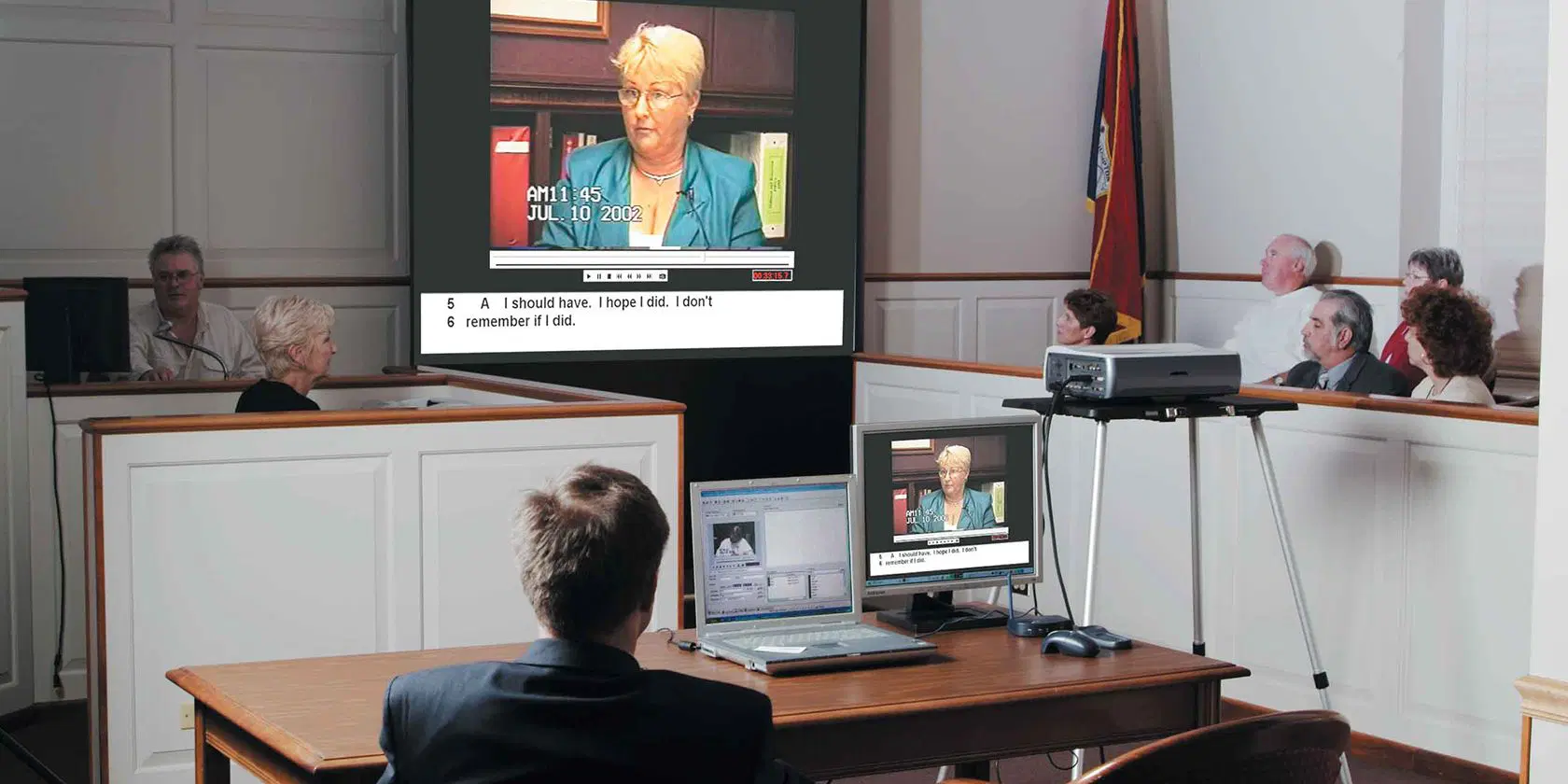
Visual aids play a vital function in enhancing trial discussions, transforming intricate data into available info that jurors can easily understand. By using graphes, charts, representations, and multimedia aspects, attorneys can make clear detailed factors and keep jurors' focus. Aesthetic help assist in the understanding of proof, making abstract concepts tangible and relatable.
When picking aesthetic help, importance and simplicity are extremely important. Each visual should straight sustain the situation story and enhance crucial debates without overwhelming the visitor. Overly complex visuals can detract from the message, creating confusion instead of clarity.
In addition, the strategic placement of aesthetic help during presentations is vital. They must be presented at critical minutes to highlight important proof or to show substantial adjustments or trends. This timing enables jurors to process details properly, boosting retention and recall during deliberations.
Moreover, it is essential to ensure that visual help are technically suitable with the courtroom environment. Experience with the tools and a backup strategy can stop technical glitches that might interfere with the circulation of the presentation. In recap, efficient use of aesthetic help can significantly strengthen a test discussion, resulting in a more powerful link with the jury and a more persuasive instance in general.
Engaging Emotion and Compassion
While presenting valid evidence is crucial, appealing feeling and compassion in trial discussions can exceptionally affect jurors' understandings and decisions. Jurors are not simply decision-makers; they are humans that reply to stories that reverberate on an individual level. By weaving psychological aspects right into the presentation, attorneys can produce a link that transcends mere statistics and lawful more information jargon.
Narration is Read Full Article a powerful device in this context. By offering the case as a story that highlights the human impact of the occasions concerned, attorneys can stimulate sensations of compassion, rage, or also are afraid - trial presentations. These feelings can substantially guide jurors, making them most likely to feel sorry for the plaintiff or accused
Ultimately, a trial discussion that effectively engages feeling and compassion can create a compelling disagreement that reverberates deeply, leading jurors to feel a personal risk in the instance, thereby boosting the opportunities of a desirable decision.
Exercising Distribution Techniques
Engaging emotion and empathy lays a solid foundation for trial presentations, however the efficiency of these components depends upon the delivery techniques utilized by the lawyer. Grasping distribution strategies is essential for making reference sure that the message reverberates with the jury. This involves practicing tone, speed, and body movement to enhance trustworthiness and link with the target market.
Practicing the presentation numerous times permits lawyers to improve their design and determine locations for enhancement. Recording practice can supply useful understandings right into one's nonverbal hints and singing inflections, aiding to remove disruptive routines. Furthermore, getting feedback from peers can highlight toughness and weaknesses, directing further refinement.
Reliable use stops briefly can likewise be a powerful strategy; they permit the jury to soak up crucial details and enhance emotional impact. Lawyers must additionally bear in mind eye get in touch with, as it fosters trust and involvement with jurors.
Eventually, the combination of exercised shipment techniques and the psychological resonance of the presentation can substantially influence the court's understanding, creating an engaging situation that stands apart in their minds. The power of well-executed delivery can not be overemphasized in the quest of a favorable judgment.
Final Thought
In summary, reliable trial presentations are pivotal in influencing juror choices. Understanding distribution strategies even more magnifies these components, ultimately contributing to a convincing situation discussion.